The Walk
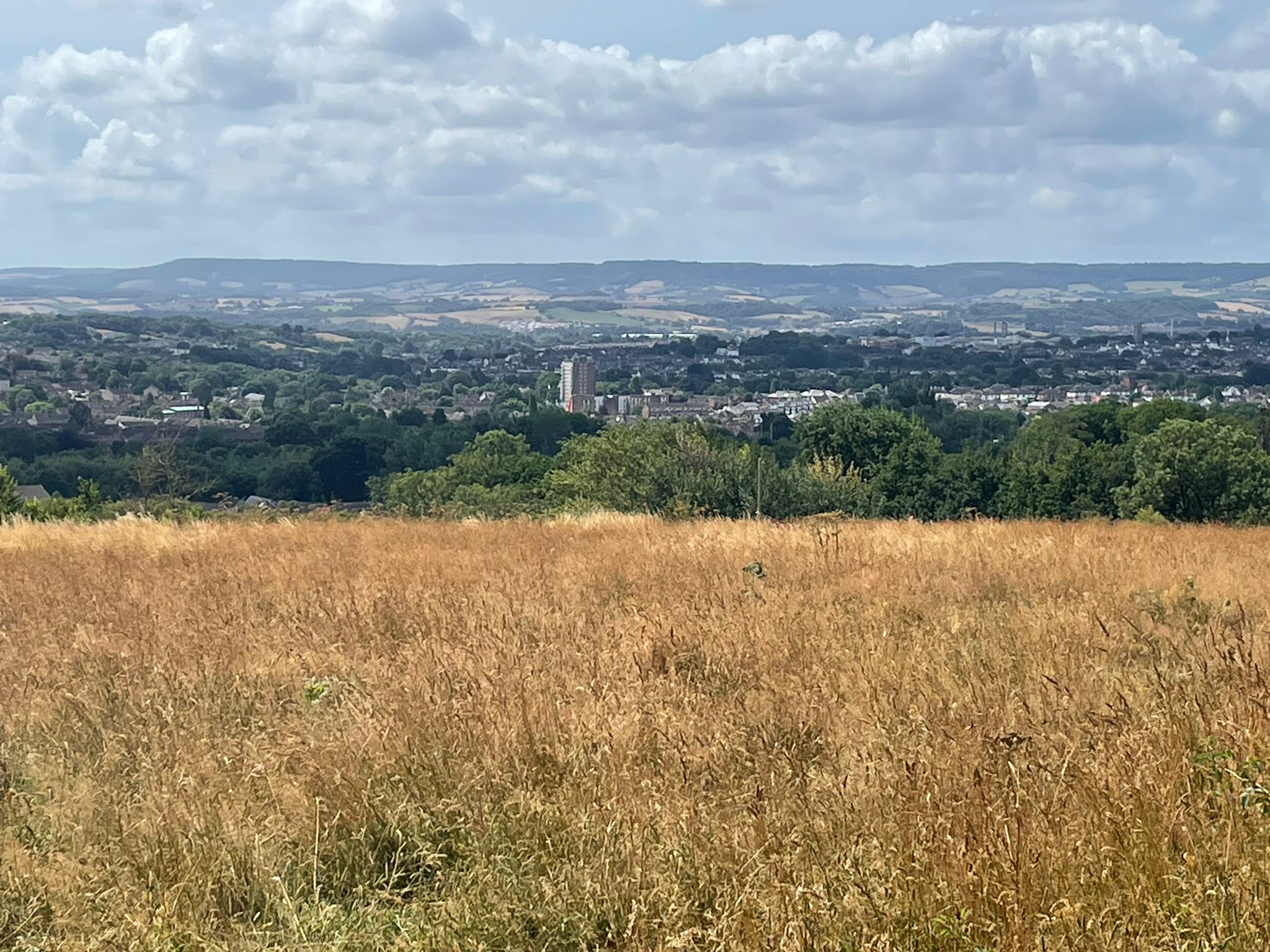
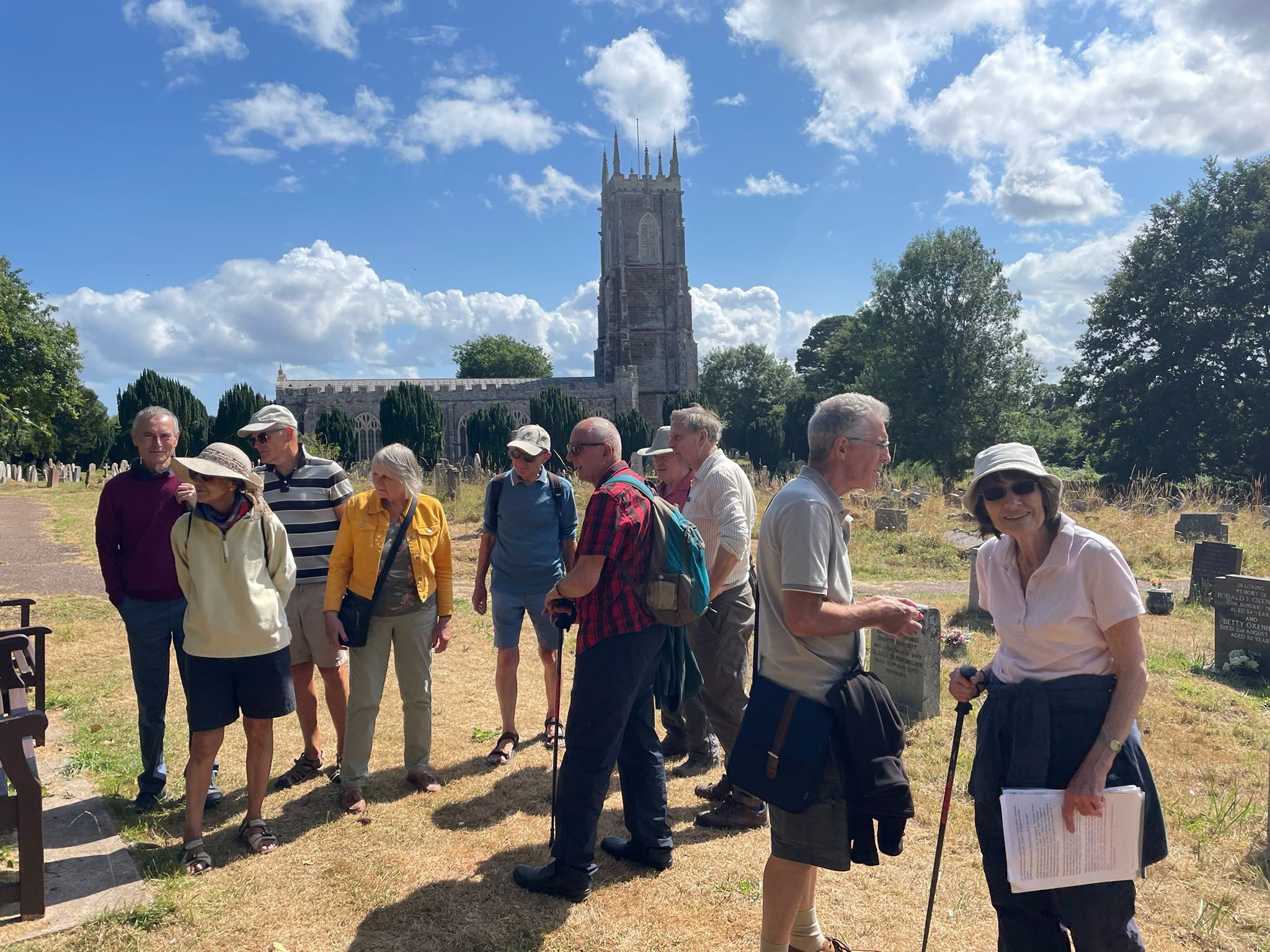
Starting from Pinhoe Library, we climbed to Pinhoe Church, where we were entertained (?) by a visiting group of bellringers from Exmouth trying out the impressive ring of bells at the Church. We descended to Poltimore, both village and House, where we enjoyed an excellent lunch at Branches Cafe. In the afternoon we crossed over the M5 and the River Clyst to reach Broadclyst Church. There we discovered in the churchyard the graves of some of the famous Exeter Veitch family of horticulturalists.
From the grounds of Poltimore House we could see how close are the new houses of West Clyst, and it was felt that a footpath linking the two would be of benefit to both. Could this ever be realised?
NB if anyone decides to try out the Routes For Roots walk, be aware that Dandy Lane should only be tackled with extreme care and in dry weather. We used a different route, past Home Farm. You can see the original route here: https://eastdevon.gov.uk/parks-gardens-and-recreation/parks-gardens-green-spaces/clyst-valley-regional-park/routes-for-roots/
Poltimore House
The Poltimore House Trust is keen to spread the word that the House still has a future, despite the devastating fire of last year, and have sent us the following information:
“For those that don’t know it, Poltimore House is a Grade II* listed 16th century country house set in 13 acres outside Exeter, and was originally built for Richard Bampfylde in 1560. The House was used as a school and hospital in the 20th century, before becoming vacant and experiencing vandalism and neglect. Poltimore House & Grounds was acquired by the Poltimore House Trust with funding from English Heritage and East Devon District Council in 2000. Several unsuccessful attempts were made to secure new uses for the House, until in 2021 the Trust agreed a new vision based on an incremental approach to restoration as a focal point for the arts, community, creative industries, education and wellbeing. Restoration of the Georgian porch and hallway was nearing completion when, in April 2024, a devastating arson attack caused major destruction. Fortunately much of architectural and historic interest remains, and in consultation with Historic England and other stakeholders, the Trust is now embarking on a four-stage roadmap for recovery and restoration:
-
- Secure funding for the further removal of fire-damaged scaffolding and buttress the remaining Tudor gable.
- Undertake a professional Options Appraisal, evaluating the financial and structural feasibility of different models of restoration and assessing the heritage, economic and social impacts of each.
- Secure funding for the removal of rubble and asbestos from inside the House, and strengthen the remaining structure.
- Create the conditions for implementing the agreed pathway to restoration.
Inevitably this will be a gradual process but Poltimore House Trust benefits from a strong Board and enjoys widespread support from the community and other stakeholders. The Café and Grounds are open from 10.00 to 15.30 every day except Tuesday and Wednesday, and the Trust welcomes all visitors and well as any offers of volunteer or financial support.”
Do read about their plans on their website: https://poltimore.org